June is PTSD Awareness Month
June 3, 2026
Sleep and TBI: Why Rest Matters at Every Age
September 9, 2026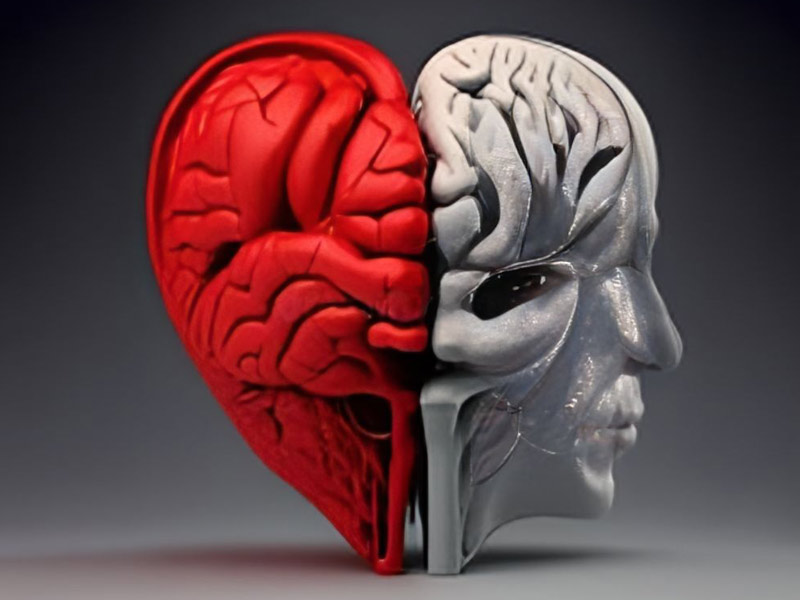
Your Brain & Your Heart
What a New Study Means for People Living with TBI
Science Corner July 2026
“Knowledge is Power”
Did you know that having a TBI may raise your risk of heart disease, even years later? Many people with TBI do not know this. A new study shows that people with TBI are much more likely to develop heart disease, high blood pressure, and high cholesterol than people who have never had a TBI. The good news: there are real steps you can take to protect your heart. Keep reading to find out what the study found and what you can do to stay heart healthy.
What did the Study Find?
Researchers looked at dozens of studies involving millions of people around the world. They compared people with TBI to people without TBI to see who was more likely to develop heart problems. Here is what they found, people with TBI had higher rates of:
- Heart disease
- High cholesterol
- Coronary artery disease (blocked or narrowed arteries)
- High blood pressure
- Irregular heartbeat
- Death from heart disease
People who had a mild TBI or concussion were more likely to have blocked arteries, high blood pressure, high cholesterol, and death from heart disease compared to those who never had a TBI. This study reminds us that even a “mild” TBI can have long-lasting effects on the body.
Like family history, you can’t change the fact that you had a TBI, but you can reduce your risk of future TBI and take control of your health through screening. Getting screened after a brain injury is an important first step. Just because you had a TBI doesn’t mean you are destined to develop heart disease, but it does mean it’s worth paying attention to your heart health.
What Does This Mean for People with TBI?
TBI is not just a brain problem; it affects the whole body. The researchers believe that a brain injury can cause changes in the nervous system, blood vessels, and inflammation, which raise the risk of heart disease over time. This means that getting regular heart check-ups after a TBI is very important. You don’t have to wait until you feel symptoms. Many heart problems, like high blood pressure, have no symptoms at all.
A Gap in Care: People with TBI Are Left Out of Research and Screening Guidelines
Right now, there are no standard guidelines for screening heart health in people who have had a TBI, and doctors don’t yet have a clear roadmap for what to check or when. Making this problem worse, most heart disease research studies leave out people with disabilities, including people with TBI, which means doctors don’t always have the best information about how to treat heart problems in this group. The researchers are calling for more studies that include people with TBI so that everyone can get the care they deserve.
What’s the Good News?
Some researchers have already been working on this. Programs show that changes are possible, and that people with TBI can take real steps to protect their hearts. If you want to listen to a podcast more about this study and this program, check out this podcast!
https://open.spotify.com/episode/5Y6gA3FBmz5b7Y0VWXCcJv
How to Keep Your Heart Healthy: Steps you can take starting today
Because people with TBI are at higher risk for heart disease, taking care of your heart is especially important. Here are the best steps you can take, based on guidance from the U.S. Department of Health and Human Services and the Centers for Disease Control and Prevention (CDC):
- Eat Heart-Healthy Foods: Try to eat more fruits, vegetables, and whole grains like oatmeal or brown rice. Choose foods rich in healthy fats, such as fish, avocados, and nuts. Try to eat less salty food (like deli meats and chips), sugary drinks, fatty meats, and alcohol.
- Move Your Body: Physical activity helps keep your blood pressure, weight, and blood sugar at healthy levels. Experts recommend at least 150 minutes of moderate physical activity each week but any amount of physical activity is important. Even a 10-minute walk counts! Talk to your healthcare professional about what kinds of physical activity are safe for you.
- Stay at a Healthy Weight: Carrying extra weight puts more stress on your heart. Even losing a small amount of weight can lower your risk of heart disease. Eating healthier and moving more can help over time.
- Don’t Smoke: Smoking is one of the biggest risk factors for heart disease. If you smoke, quitting is one of the best things you can do for your heart. Call 1-800-QUIT-NOW (1-800-784-8669) for free help.
- Know Your Numbers: Three numbers matter a lot for your heart health
- Blood pressure should be checked at least once a year. High blood pressure often has NO symptoms.
- Cholesterol should be tested every 4 to 6 years (more often if it has been high before).
- Blood sugar should be checked regularly, especially if you are 45 or older.
- Manage Stress and Psychological Health: Taking care of your mental health is also good for your heart. Stress can raise your risk for serious health problems like heart disease and high blood pressure, so finding healthy ways to manage it, like deep breathing or meditation, can make a real difference.
- Manage Sleep: Poor sleep can raise your blood pressure and hurt your heart over time. Most adults need 7 to 9 hours of sleep each night, and good sleep lowers the risk for heart disease. If you are waking up, catching your breath, or snoring at night, you should let your doctor know.
- Work with Your Health Care Team: If you already have high blood pressure, high cholesterol, or diabetes, take your medications as directed and attend your check-up appointments. Talk with your doctor about your heart health at every visit, especially since you have had a TBI.
- Know the signs of a heart attack
- Chest pain, pressure, or squeezing feeling
- Pain in your arm, back, jaw, or neck
- Shortness of breath
- Feeling dizzy, sick to your stomach, or unusually tired
- Cold sweats
🚨If you think you or someone else is having a heart attack, call 911 right away. Don’t wait
Where Can I Find More Resources?
The American Heart Association has two great tools to help you get started:
The first is Life’s Essential 8, eight key steps to protect your heart health, each with a free, easy-to-read fact sheet you can download. You can explore all eight steps at heart.org/lifesessential8.
The second is Answers by Heart, a library of short, printable fact sheets that answer common questions about heart conditions, treatments, and healthy habits. They even include space to write down questions before your next doctor’s visit.
Browse the full collection at heart.org/answersbyheart.
Where Does This Study Come From?
This study was written by a team of doctors and researchers, including experts from: Spaulding Rehabilitation Hospital (Charlestown, Massachusetts), University of Texas Southwestern Medical Center (Dallas, Texas), and HealthPartners Neuroscience Center (St. Paul, Minnesota). The study was supported by the O’Donnell Brain Institute Clinical Neurosciences Program and published in the Journal of Head Trauma Rehabilitation in 2026.
Sources
American Heart Association. (2022). Life’s Essential 8™. https://www.heart.org/en/healthy-living/healthy-lifestyle/lifes-essential-8
American Heart Association. (n.d.). Answers by Heart fact sheets. https://www.heart.org/en/health-topics/consumer-healthcare/answers-by-heart-fact-sheets
Mahasin SZ, Thakur B, Champagne P, Joshi PH, Bell KR, Driver S, Whitfill JD, Vigen R, Pinto SM. The Association Between Traumatic Brain Injury and Cardiovascular Disease: A Systematic Review and Meta-Analysis. Journal of Head Trauma Rehabilitation. 2026. DOI: 10.1097/HTR.0000000000001150
U.S. Department of Health and Human Services, Office of Disease Prevention and Health Promotion. Keep Your Heart Healthy. MyHealthfinder. Updated March 31, 2026. https://odphp.health.gov/myhealthfinder/health-conditions/heart-health/keep-your-heart-healthy
Centers for Disease Control and Prevention. Preventing Heart Disease. Updated January 28, 2026. https://www.cdc.gov/heart-disease/prevention/index.html