

Sleep and TBI: Why Rest Matters at Every Age
September 9, 2026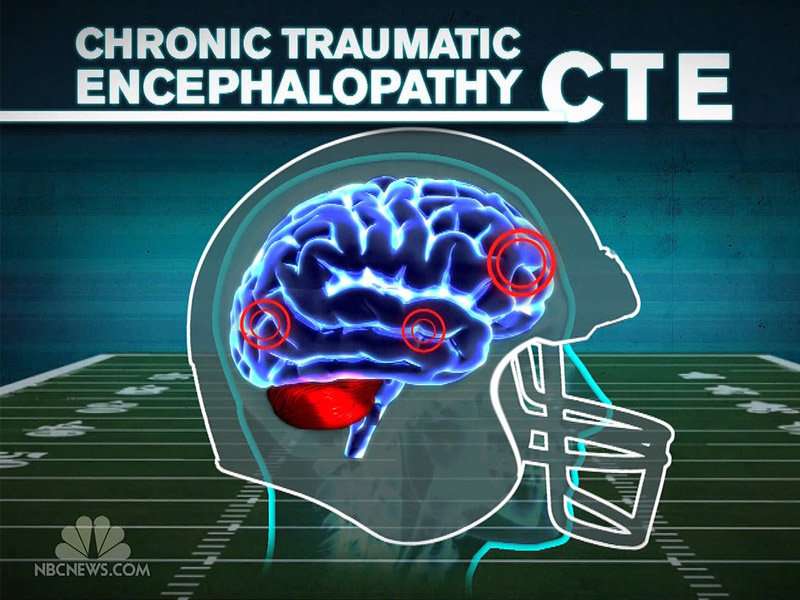

CTE & the NFL: How to Interpret the Headlines
Science Literacy: Learning to Read Research Like a Scientist
Science Corner October 2026
“Knowledge is Power”
Football season is here, and so are the headlines. You may have seen headlines that a new study says that 1 in 4 former NFL players have a brain disease called CTE. That number sounds scary. But what does it really mean? Good science takes a closer look before it jumps to a conclusion. This Science Corner will help you read this study the way a scientist would. We will look at what the study found, what it does not tell us, and what questions are still open.
First – What is CTE?
CTE stands for chronic traumatic encephalopathy. It is a brain disease linked to repeated hits to the head, like the kind that can happen in contact sports. Right now, doctors can only diagnose CTE by looking at brain tissue after a person dies. There is no test yet that can find CTE in someone who is still alive. People with CTE may have trouble with memory, mood, or behavior later in life, but doctors cannot say for sure that a living person has CTE just from these signs.
What Did the New Study Find?
Researchers looked at 1,712 former NFL players who died between 2008 and 2021. Families of 338 of these players chose to donate the players’ brains for study. Of those 338 brains, 315 showed signs of CTE. Based on this, they estimated that 18.5% to 98.7% former NFL players had CTE.
Questions we (you) should have
Families were more likely to donate a brain if the player had memory problems, mood changes, or other symptoms before death. They likely had more brain problems, on average, than former players overall. That could result in higher estimates of CTE based on these brains. The researchers themselves say it could be anywhere from about 18% to almost 99%. That is a very wide range, and it shows how much is still unknown. CTE cannot be diagnosed in a living person. So, this study cannot tell us how many living players might have it, or how bad their symptoms are.
How to Think About This During Football Season
This study adds evidence that repeated head hits raise the risk of CTE. That is worth taking seriously. It does not mean every player will get CTE. It does mean that it remains important to think about brain safety as we play and spectate sports like football, and to consider how we can continue to enjoy the game while keeping players safe.
This Science Corner was made using these sources:
A study published in The BMJ (2026) by Dr. Daniel Daneshvar and a team of researchers, looking at how common CTE was in the brains of former NFL players. An episode of NPR’s Short Wave podcast (August 2026), which explained the study’s findings and what they might mean for players and fans. A rapid response, essentially an online letter to the editor, posted on The BMJ’s website on 31 August 2026. Marc Weisskopf and colleagues at the Harvard T.H. Chan School of Public Health wrote it to critique the study. 5. References
Daneshvar, D. H., Nowinski, C. J., Abdolmohammadi, B., et al. (2026). Prevalence of chronic traumatic encephalopathy at death in National Football League players: retrospective population based cohort study, 2008-21. BMJ, 394, e100418. https://doi.org/10.1136/bmj-2026-100418
Rott, N., & Sullivan, B. (2026, August 31). A new study looks at NFL football and traumatic brain injuries. NPR Short Wave.
Weisskopf, M. G., Leung, M., Konstantinides, N., & Grashow, R. (2026, August 31). Why CTE prevalence estimates in former NFL players may be inflated [Rapid response to “Prevalence of chronic traumatic encephalopathy at death in National Football League players”]. BMJ. https://doi.org/10.1136/bmj-2026-100418