BPPV After a Brain Injury: What You Need to Know
April 8, 2026
Your Brain & Your Heart
July 8, 2026
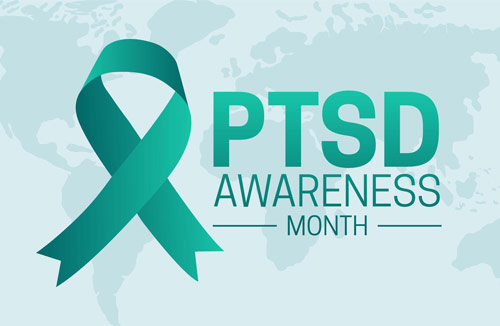
June is PTSD Awareness Month
Although most often associated with combat veterans, Posttraumatic Stress Disorder (PTSD) is a mental health condition that can impact any person of any age after experiencing or witnessing a traumatic event. Such traumatic events might include military combat, sexual or physical violence, natural disasters, or severe, traumatic accidents. These can include traumatic brain injuries. To recognize PTSD awareness month, our Science Corner this month addresses how PTSD and depression affect our recovery after a TBI.
When the Mind and Brain Are Both Hurting:
How PTSD and Depression Affect Recovery After Brain Injury
Science Corner June 2026
For many people recovering from a brain injury, the emotional and psychological toll is just as real as the physical one. Both have established treatments. The emotional and psychological tolls are not just feelings; they are medical conditions caused by a chemical imbalance in the brain that can directly affect how the brain thinks, learns, and remembers. So here is the question researchers set out to answer: Does having a health condition like Post Traumatic Stress Disorder (PTSD)1 or depression after a traumatic brain injury make it harder to think and remember, and does it slow down recovery? Read to the end to learn about treatment options.
PTSD: A mental health condition triggered by experiencing or witnessing terrifying, life-threatening events (For example: combat, accidents, disasters, or abuse)
About this Research Study
Researchers followed 1,550 people who had a traumatic brain injury (TBI) as part of a large national study called TRACK-TBI. Participants were checked in with at three points during their first year of recovery: two weeks, six months, and one year after their injury. At each visit, they completed:
- A series of tests measuring memory, attention, and thinking speed
- A screening for PTSD
- A screening for depression
This allowed researchers to track not just how each person was doing at one moment in time, but how their thinking skills changed, and whether mental health played a role in that change.
What the Researchers Found
1. Mental health struggles were common
By the end of the first year, about one in three participants met screening criteria for PTSD, depression, or both:
- 16% had PTSD only
- 16% had both PTSD and depression
- 3% had depression only
These numbers show that emotional and psychological struggles after a TBI are not rare; they are indeed common for many people.
2. Everyone improved… but not equally
Every group, regardless of whether they had PTSD, depression, or both showed improvement in cognitive performance, thinking, and memory over the first year. But people with PTSD and/or depression consistently scored lower on cognitive tests at every single check-in, two weeks out, six months out, and a full year later. They were improving, but from a lower starting point, and they never quite caught up.
3. Both conditions together made things harder
People who had both PTSD and depression at the same time showed the worst cognitive performance of any group. This suggests that the two conditions together put extra stress on a brain that is already working hard to heal.
Treating Mental Health Can Improve Outcomes
This research sends a clear message: treating the brain injury alone may not be enough. If someone is also carrying PTSD or depression, those conditions can impact recovery.
For patients and families, this means:
Mood changes, anxiety, nightmares, or emotional numbness after a TBI are not just “normal stress”; they deserve attention and treatment.
Mental health care is brain injury care. It’s important to seek out mental healthcare after a TBI – and to remind your friends and family about the importance of mental health.
Being open with doctors about emotional struggles is just as important as reporting physical symptoms.
Addressing PTSD or depression may also improve thinking, memory, and focus, not just mood.
What treatments are available for people who need support?
There is good news! These health conditions are treatable through a vast array of medical and psychological treatments, such as psychotherapy and medications. The VA offers a free mobile app, the PTSD Coach app, to help users manage PTSD symptoms between appointments. It is important to know that this app is meant to support treatment by a healthcare provider, not replace it.
Are You in Crisis? You Have Options:
Call 911if you need emergency assistance. Go to the nearest Emergency Room for immediate medical attention.
Call 988 if you need to speak to a trained crisis counselor who can help with mental health-related distress. You can also text 988 or chat online with