
Adaptive Sports
January 24, 2026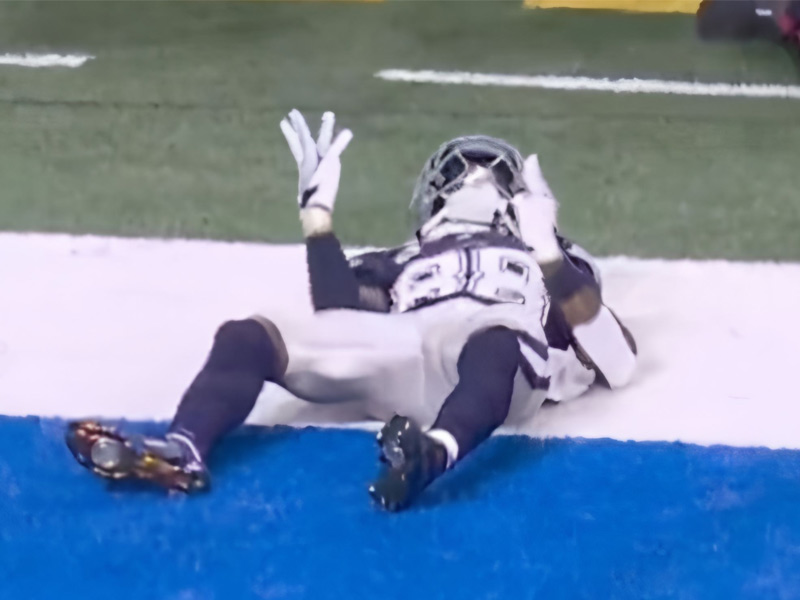
TBI & Fencing – Why Does Fencing Response Occur and What Does It Mean?
January 27, 2026
The CBI-M framework: A Better Way to Understand Brain Injuries
Science Corner: “Knowledge is Power”
January 2026
A Fresh Look at Brain Injuries
For decades, doctors and scientists have used a simple three-label system for brain injuries, labeling all brain injuries as “Mild”, “Moderate”, or “Severe”. Though this system has helped doctors and scientists categorize brain injuries, this system has important limitations. This past year, experts have developed a new, more detailed patient-centered approach to provide a clearer picture of each person’s unique injury, which will hopefully lead to better and more personalized care.
Who Came Up with the New Framework?
Creating a better system for understanding TBI required teamwork from experts all over the world who are dedicated to improving patient care and research. This new framework was not designed overnight or by a single person; it was a large, collaborative effort. The project was started in 2022 by the U.S. National Institutes of Health–National Institute of Neurological Disorders and Stroke (NIH-NINDS). They brought together a team of 94 experts from 14 different countries to tackle this challenge. The team included doctors, scientists, and, most importantly, people who have personally experienced a brain injury. Their insights helped ensure that the new system addresses the real-world problems and frustrations that patients and their families face, making the framework more meaningful and practical.
The Problem
The old method for classifying a Traumatic Brain Injury (TBI) was centered on using a tool called the Glasgow Coma Scale (GCS). This scale checks a person’s ability to open their eyes, speak, and move. Based on their total score, their injury is labeled as “mild,” “moderate,” or “severe.” While this has been used for decades, these simple labels can cause serious problems for patients and their families. This labeling system can be harmful for several reasons:
The “Mild” Problem: Calling an injury “mild” can make it hard for patients to get the care they need. Doctors, family members, and even patients themselves might assume they will get better quickly without much help. This can create major hurdles to recovery. As one person with lived experience stated:
“Having been diagnosed with a mild traumatic brain injury [TBI] has created substantial challenges in my recovery. I’ve constantly had to fight to [have my symptoms] be taken seriously.”
The “Severe” Problem: Labeling an injury as “severe” can make doctors and families feel hopeless. This feeling might affect important treatment decisions, as a patient’s chances for recovery may be underestimated from the very beginning. One person who experienced this explained:
“Most doctors and nurses who diagnosed my TBI as severe could not imagine I’d be alive, let alone walking and talking on the stage today.”
The Solution
To fix these problems, experts have developed a new, more detailed patient-centered approach called the CBI-M framework. This new method looks at four key areas to get a complete and personalized picture of a brain injury.
The Four Pieces of the Puzzle: What is the CBI-M Framework?
The new CBI-M framework is a powerful way to understand a brain injury from four different angles. By looking at all four pieces, doctors can build a completer and more personalized picture of a patient’s condition, much like assembling a puzzle. This helps them make better decisions about treatment and follow-up care. Note: These are designed to be used together in diagnosis, not by themselves.
The Clinical Pillar
This is the first and most important step. It not only involves checking the patient’s level of consciousness using the traditional GCS score, but it also includes a careful check of how their pupils react to light. This provides a fundamental snapshot of how the brain is functioning right after the injury.
The Biomarker Pillar
This pillar involves blood tests that looks for tiny molecules that can leak out of brain cells when they are damaged. High levels of these molecules can tell doctors that there is a brain injury, even if nothing shows up on a standard brain scan. This is crucial because it can help to diagnose an injury even when a CT or MRI scan of the brain looks normal.
Biomarkers alone cannot be a diagnostic tool; doctors use them as an aid in diagnosis in collaboration with other elements.
The Imaging Pillar
This piece of the puzzle involves taking pictures of the brain, usually with a CT or MRI scan. Doctors look for physical signs of injury, such as bleeding in or around the brain, a skull fracture, or bruises on the brain tissue itself. This helps them see the structural damage caused by the injury.
The Modifier Pillar
This pillar looks at the whole person, not just the injury. It considers important factors that can affect recovery. This includes the person’s age, any other health problems they had before the injury, their work or living situation, and how the injury happened. These factors are crucial because they can influence how well a person recovers and what kind of support they will need.
How the CBI-M Framework Helps Patients
The most important goal of the CBI-M framework is to improve care for individual patients. By moving beyond simple labels like “mild” or “severe,” it provides a more detailed, personal description of their injury. This allows doctors to create a treatment plan that is tailored to each person’s specific needs.
What’s Next for the CBI-M Framework?
The CBI-M framework is a major step forward, but it is not a finished product. There is more work to be done before it can be used in every hospital and clinic to help every patient with a brain injury. Doctors and researchers have identified several key goals for the future. Here are the next steps:
- Test It Out: Doctors and scientists need to test the framework in many different studies and with many different patients to make sure it works as well as they hope and truly helps improve patient outcomes.
- Make It Work for Everyone: The framework was first developed for adults. Now, researchers need to make sure it is also useful and accurate for children and older adults, who may experience brain injuries differently.
- Create a Scoring System: In the future, researchers hope to create a scoring system or a calculator based on the framework. This could help doctors predict how a patient might recover and what challenges they may face.
- Make It Usable Everywhere: It is important that this new system can be used all over the world, including in places with fewer resources. Researchers need to figure out how to apply the framework in hospitals that may not have easy access to advanced brain scanners or special blood tests.
Where This Information Comes From
This document summarizes a new medical policy review written by a large international group of brain injury experts, including clinicians, scientists, and people with lived experience of TBI. To read more, check out this publication and this article.
References
Manley, G. T., Dams-O’Connor, K., Alosco, M. L., Awwad, H. O., Bazarian, J. J., Bragge, P., Corrigan, J. D., Doperalski, A., Ferguson, A. R., Mac Donald, C. L., Menon, D. K., McNett, M. M., van der Naalt, J., Nelson, L. D., Pisică, D., Silverberg, N. D., Umoh, N., Wilson, L., Yuh, E. L., Zetterberg, H., Maas, A. I. R., & McCrea, M. A. (2025). A new characterisation of acute traumatic brain injury: the NIH-NINDS TBI Classification and Nomenclature Initiative. The Lancet Neurology , 24 , 512–523.