
Your Brain’s Backup Plan: How Eyes Rewire Themselves After Injury
February 3, 2026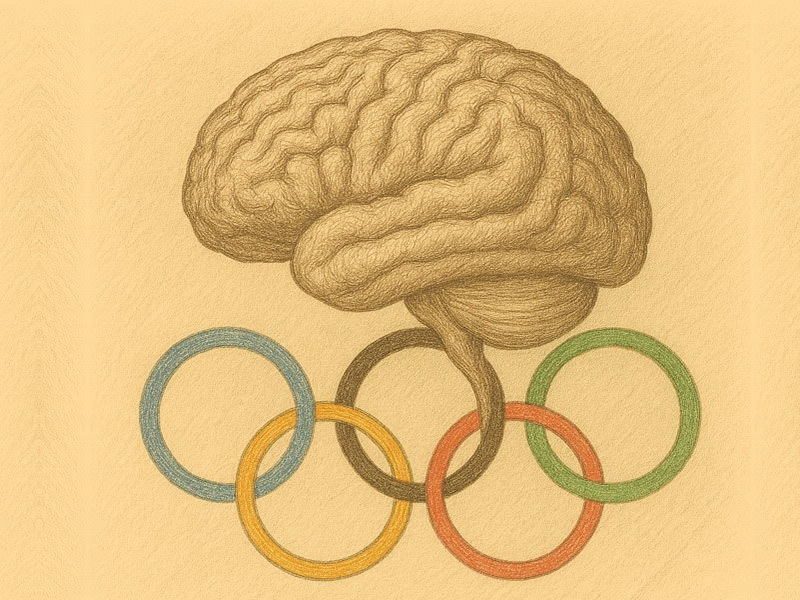
Science Corner March 02, 2026
Concussion Care, Even After Leaving the Olympic Village
When we watch our favorite athletes compete on the world stage, we often see their incredible strength and speed. But sports injuries are more than just getting hurt, they are a complex puzzle that scientists have to solve to keep athletes safe. While we have a lot of information about how college or professional football players get better, we haven’t known as much about Olympic athletes. This study looked into the injuries of these elite performers to see how they handle one of the trickiest injuries: a concussion.
Why is it important to study Olympians?
Olympians are highly trained athletes, yet they often lack the large salaries and consistent medical support available to professional sports stars. Because they travel around the world for training and competition, it can be difficult for them to access appropriate medical care quickly when injuries occur, whether during training or at the Olympic Games themselves. Research has shown that Olympians take significantly longer to return to sport after a concussion compared to college athletes. While a collegiate athlete may recover and return in about 16 days, Olympians often require closer to 34 days. Underreporting of injuries may also contribute to this issue. These findings highlight the need for further scientific study to better understand the causes of delayed recovery in Olympians and to develop strategies to improve injury recognition, reporting, and care.
What did researchers learn about recovery from concussion?
The researchers looked to answer the following questions:
- Duration of Recovery: The study recorded the number of days required for athletes to achieve a “Return to Sport” following concussion.
- Participant Demographics: The researchers analyzed data from 132 athletes who experienced a total of 160 concussions. The cohort included competitors from both Summer and Winter Olympic disciplines, such as speed skating, boxing, and diving.
- Factors Influencing Recovery: The study examined whether prompt medical evaluation after injury affected the speed of recovery.
The study compared athletes who received care after a concussion. They split these athletes into two groups depending on when they saw a doctor following their concussion.
Early Access Group(Saw a doctor in 7 days or less): they took on average 26 days to recover.
Late Access Group(Saw a doctor after 8 days or more): they took on average 45 days to recover.
What does this mean for people who have a head injury?
Researchers found that Olympians often take longer to feel better after a concussion, especially if they do not see a doctor right away. In the past, people thought the best way to heal was to rest in a dark room, but now doctors know that starting light, safe exercise with medical guidance in the first few days, with a gradual return to activity, helps recovery. Getting care quickly from concussion specialists and slowly returning to sports or daily activities can help people heal faster. This is important not only for athletes, but for everyone who gets a concussion. Coaches, trainers, and others need to understand that the brain needs time to heal, especially for athletes who are traveling or feel pressure to return too soon. Teaching everyone, staff, teammates, and fans, about proper concussion care helps keep people safe and healthy.
Who Did This Research?
The authors, Thomas Romeas, Félix Croteau, and Suzanne Leclerc, worked mainly at the Institut national du sport du Québec. They also had help from specialists at the University of Montreal and McGill University.
Romeas, T., Croteau, F., & Leclerc, S. (2024). Where is the research on sport-related concussion in Olympic athletes? A descriptive report and assessment of the impact of access to multidisciplinary care on recovery. British Journal of Sports Medicine, 58, 993–1000.