
Adaptive Sports
January 24, 2026Do you know how listening to music can help your brain?
Many people feel very tired all the time after a stroke or brain injury, even when they rest. But a new study found that listening to music can help people feel more awake, positive, and ready to take on the day. Music doesn’t just make us happy; it changes how the brain works. It connects parts of the brain that help us think, move, and remember. That’s why music can reach us in ways that words sometimes can’t.

What Music Does in Your Brain
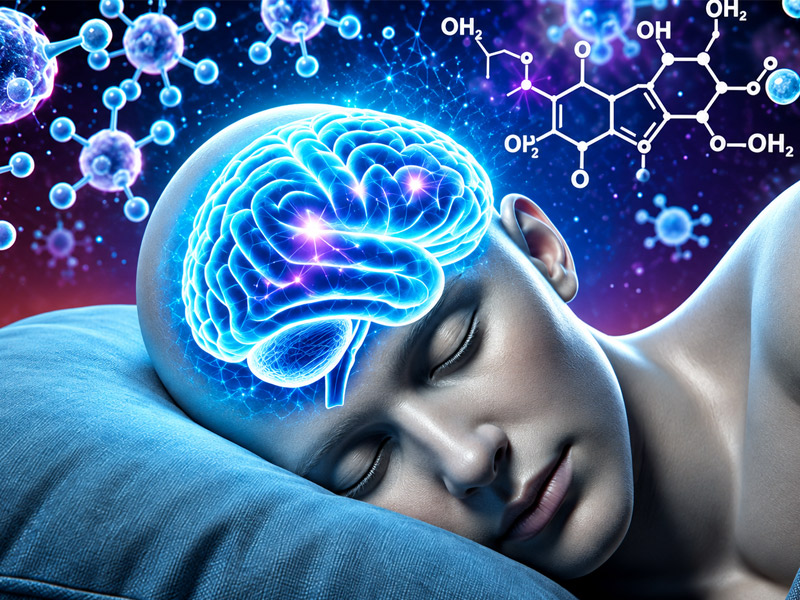
Music can change the way the brain looks and works. This happens because listening to or playing music keeps certain parts of the brain active and working together over time. When you listen to music, your brain “lights up”:
- The temporal lobe helps you tell sounds apart, like voices, drums, and guitars.
- The hippocampus and amygdala connect music to your memories and emotions.
- The limbic system releases “feel-good” chemicals that make you happy and motivated.
- The motor system makes your body want to move.
Music brings people together and helps the brain’s different parts “talk” to each other, which is important for healing and recovery.
Science Spotlight
“Music Listening for Fatigue After Acquired Brain Injury”
This study looked at whether listening to music could help people who feel very tired or worn out after a brain injury, such as a stroke or traumatic brain injury (TBI). The researchers wanted to know how music might make people feel less tired, improve their mood, and help them focus or recover better.